Residential Kitchen Over $200,000
Highwood, Illinois (February, 3rd 2026) ABLAZE Design Group has been named a 2026 Regional Remodeler of the Year (RotY®) Award Winner by the National Association of the Remodeling Industry (NARI) in the category of Residential Kitchen Over $200,000.
The prestigious RotY® Awards recognize excellence in craftsmanship, design, innovation, and project execution across the remodeling industry. ABLAZE’s winning project was selected from hundreds of entries nationwide and represents the highest level of achievement among regional remodeling professionals.
“This award is a true reflection of our team’s dedication to thoughtful design, meticulous execution, and creating kitchens that elevate how our clients live every day,” said George Markoutsas, CEO and Creative Director of ABLAZE Design Group. “To be recognized by NARI at this level is incredibly meaningful, especially for a project that so fully embodies our belief in wellness-driven, highly functional, and beautifully crafted spaces.”
Each year, NARI’s RotY® Awards honor remodelers who demonstrate outstanding work through completed projects that are judged by industry experts on criteria including problem-solving, innovation, craftsmanship, and overall presentation. This year’s entries represented nearly $138 million in remodeling projects, with 159 regional winners recognized nationwide.
ABLAZE’s award-winning kitchen exemplifies the firm’s signature approach, balancing elevated aesthetics with performance, longevity, and everyday livability. The project reflects ABLAZE’s commitment to “quiet luxury,” purposeful material selection, and designs that seamlessly integrate form, function, and lifestyle.
Regional winners will be honored alongside national winners at NARI’s Evening of Excellence on April 23, 2026, held during the NARI Annual Conference in Tempe, Arizona.
About ABLAZE Design Group
Based in Highwood, Illinois, ABLAZE Design Group is an award-winning, full-service design-build firm specializing in luxury kitchens, baths, and whole-home renovations throughout Chicago’s North Shore and beyond. Known for its wellness-driven, biophilic, and highly customized design solutions, ABLAZE delivers thoughtful spaces rooted in craftsmanship, innovation, and enduring quality.
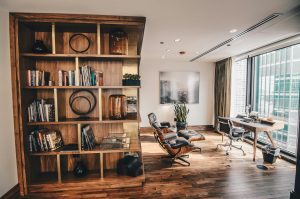 A home office should make your day feel easier, not more stressful. Yet many work-from-home setups evolve piecemeal – an extra chair here, a mismatched lamp there – until the space becomes a mix of convenience and compromise. Realistic home office design isn’t about creating a Pinterest-perfect workspace. It’s about designing an environment that supports focus, feels good on camera, and works with your actual daily routine.
Create a Background In Your Home Office Design That Looks Good Without Trying
Video calls have made the background almost as important as the workspace itself. You don’t need a full bookshelf wall or bold statement art to pull this off. What matters is intention. A clean, neutral backdrop keeps the eye relaxed and prevents visual distractions. Soft greenery, textured wall panels, or a simple framed print create interest without overwhelming the screen. The goal is to convey calm professionalism—something that blends into the conversation so the focus stays on you, not what’s behind you.
Incorporate Lighting in Your Home Office Design That Makes You Look Awake
Lighting impacts everything—from how you appear on video to how energized you feel during long stretches of work. The most effective setups pair natural daylight with adjustable artificial light. Place your desk so indirect daylight hits your face rather than your back; front-facing light keeps shadows minimal and prevents the overexposed halo effect. When daylight isn’t enough, a warm LED desk lamp or overhead fixture fills the space without harshness. In home office design, layered lighting isn’t a luxury—it’s what keeps eyestrain down and video calls clear.
Use Storage That Works the Way You Do
Clutter builds up quickly in a home office because work and life tend to overlap. Closed storage is your best friend here—drawer units, cabinets, and bins hide the mess so the space feels calm and intentional. Open shelving can still work, but keep it curated: a few books, a plant, maybe a sculptural object. The more visual noise you remove, the easier it becomes to shift into focus mode. Storage should support habits, not fight them. If you drop papers on your desk out of convenience, add a desktop organizer or a hidden inbox tray.
Set Up a Layout That Reduces Stress
A functional layout supports both the body and the mind. Make sure you have enough surface area for your daily tasks, and keep frequently used items within reach. If possible, separate work zones—one for the computer, one for writing or reading—to mimic the flow of a traditional office. This creates small mental resets throughout the day and subtly improves productivity.
Home Office Design – A Space That Supports Real Work
A well-designed home office blends clarity, comfort, and ease. When your background, lighting, and storage work together, the space becomes a place where work feels more manageable—and video calls feel a whole lot less stressful.
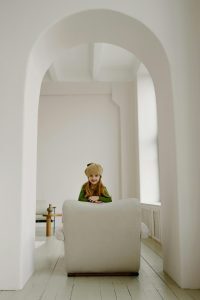 Once a staple of classical architecture, interior arches are making a strong comeback in modern home design—and for good reason. These elegant, curved forms add a sense of softness and fluidity to a space that can feel both contemporary and timeless.
At Ablaze Design Group, we’ve seen a growing interest in arches as homeowners seek to infuse warmth and personality into their spaces. Here’s how this classic feature is being reimagined for today’s interiors.
Why Interior Arches Are Making a Comeback
Straight lines and sharp corners dominated design for years, especially in minimalist and industrial styles. But lately, homeowners are gravitating toward spaces that feel inviting, layered, and soothing.
Arches provide:
-
Visual flow between rooms
-
Softer transitions between spaces
-
A sense of architectural interest without being overwhelming
-
A touch of nostalgia with a modern twist
Ways to Incorporate Arches at Home
-
Doorways & Passages
Arched openings between rooms offer a seamless transition while adding architectural charm. -
Built-In Nooks
Add a cozy reading nook, bar, or shelving unit with an arched frame to create a focal point. -
Windows & Mirrors
Arched windows let in more light and offer a refined, old-world vibe. Even mirrors with arched tops can echo the look. -
Furniture & Decor
Curved lines in furniture, lighting, and even paint techniques mimic the arch trend without major renovation.
Design Tip: Balance Is Key
To keep arches feeling fresh—not dated—pair them with clean lines and natural materials. For example, a curved doorway flanked by sleek cabinetry and muted tones creates a harmonious blend of tradition and modernity.
Interior Arches in Architectural Design – Embrace the Curve
If you’re looking to soften the structure of your space and bring in a little movement, interior arches could be your perfect solution. Whether through architecture or accents, these timeless curves can elevate your home with a subtle sophistication.
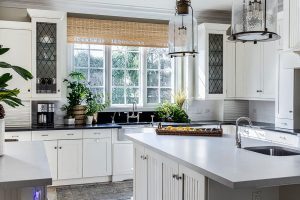 Window treatments play a crucial role in interior design, influencing both aesthetics and functionality. The type of window treatments you select not only impacts the functional operation of privacy and shade but also impacts the interior design of the space. Selecting the appropriate window coverings can enhance privacy, control natural light, and complement your home’s décor.
Factors to Consider When Choosing Window Treatments
- Purpose: Determine whether the primary goal is to block light, add privacy, or be purely decorative.
- Style: Consider the room’s design theme—modern, traditional, or eclectic—to select complementary treatments.
- Material: Choose fabrics or materials that align with the room’s function; for example, moisture-resistant materials for bathrooms.
- Color and Pattern: Select colors and patterns that harmonize with existing décor and color schemes.
Window Treatment Types to Consider
- Blinds: Offer adjustable light control with options like wood, faux wood, or aluminum.
- Shades: Provide a sleek look with various styles, including roller, Roman, and cellular shades.
- Curtains and Drapes: Add softness and are available in numerous fabrics and lengths for a customizable appearance.
- Shutters: Provide a classic, durable option that adds architectural interest.
Measuring and Installation
- Accurate Measurements: Ensure precise measurements for a proper fit, considering inside or outside mount preferences.
- Professional Installation: Consider hiring professionals to install complex treatments like shutters or motorized blinds.
Window treatments are not just functional design pieces, they can also be a statement piece that enhances the overall aesthetic appeal of a room. By evaluating your needs and understanding the various options available, you can select window treatments that enhance both the beauty and functionality of your home. Contact Ablaze Design Group today to learn about the various options available today and begin exploring how you can elevate your home with window treatments.
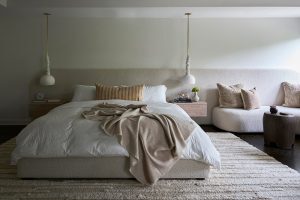 When we people see thoughtfully and carefully curated interior design, they may not be able to immediately put their finger on what exactly makes the space feel elevated – but they know that it is special. This subtle yet powerful effect can be achieved by incorporating various textures in interior design to uniquely enhance a space. In interior design, texture refers to the surface quality of materials, influencing both the look and feel of a space. Incorporating various textures adds depth, interest, and balance, transforming a flat room into a dynamic environment.
Understanding the Use of Textures in Interior Design
- Visual Texture: The perceived surface quality, which can be smooth, rough, soft, or glossy, affecting how light interacts with objects.
- Tactile Texture: The actual feel of a surface when touched, contributing to the sensory experience of a room.
Benefits of Using Texture
- Adds Depth and Dimension: Combining different textures prevents a room from appearing flat or monotonous.
- Creates Visual Interest: Textural contrasts draw the eye, highlighting focal points within a space.
- Enhances Comfort: Soft textures like plush rugs or cushions contribute to a cozy and inviting atmosphere.
Tips for Incorporating Textures in Your Home
- Mix Materials: Combine wood, metal, glass, and fabrics to create a balanced and engaging aesthetic.
- Layer Textiles: Use rugs, throws, and cushions with varying weaves and finishes to add warmth and complexity.
- Consider Architectural Elements: Incorporate textured wall coverings, exposed brick, or decorative moldings to introduce depth.
By thoughtfully integrating textures in your interior design, you can elevate your interior design, creating spaces that are not only visually appealing but also rich in sensory experiences. Contact Ablaze Design Group to learn how you can integrate textures to enhance the interior design and overall aesthetic experience of your home.
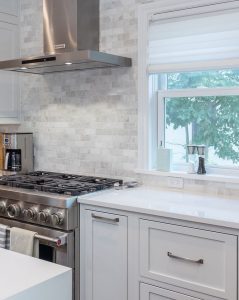 Home design doesn’t have to fit into one box. A growing trend in interior design is blending modern and traditional elements to create a unique, cohesive space that reflects both classic elegance and contemporary simplicity. If you’re unsure how to successfully combine these two design aesthetics, here are some tips from professionals to achieve a harmonious balance.
Home Design – The Art of Blending Modern & Traditional Design Styles
1. Start with a Neutral Foundation
A neutral color palette is the perfect canvas for mixing modern and traditional styles. Shades like white, beige, or gray create a cohesive backdrop that allows your design elements to stand out. Traditional furniture or accents will feel more current in a neutral space, while modern pieces will blend seamlessly into the room without feeling out of place.
2. Mix Furniture Styles for Contrast
Blending modern and traditional furniture is key to achieving a balanced look. For example, you might pair a sleek, minimalist sofa with a vintage wooden coffee table or place a mid-century modern chair in a room with traditional wainscoting. The key is to create contrast without clashing. Look for pieces that complement each other in terms of color, material, or scale.
3. Combine Textures and Materials
To tie both styles together, play with a variety of textures and materials. A traditional Persian rug can add warmth to a modern living room, while smooth marble countertops can balance out the ornate details in a more classic kitchen. Mixing materials such as metal, wood, glass, and fabric can help create depth and interest in the space, making the design feel more layered and intentional.
Mastering the art of blending modern and traditional styles allows you to create a home that’s both timeless and trendy, offering the best of both worlds.
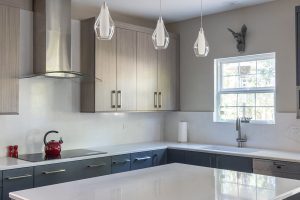 Lighting is one of the most important elements of home renovation, yet it’s often overlooked. The right lighting can transform a space, making it feel more welcoming, functional, and visually appealing. Whether you’re renovating a single room or your entire home, choosing the right lighting can dramatically impact the overall ambiance and design.
Choosing Lighting for Your Home Renovation – Tips from the Pros
1. Assess the Function of Each Room
When selecting lighting, it’s essential to consider the function of the room. Different rooms have different lighting needs. For example, kitchens and workspaces benefit from bright, focused task lighting, while living rooms and bedrooms may need softer, ambient lighting to create a cozy atmosphere. In bathrooms, bright but diffused lighting is ideal for mirrors and vanity areas.
2. Layer Your Lighting for Depth and Flexibility
A well-lit room uses a combination of lighting types. By layering ambient, task, and accent lighting, you can achieve both practicality and style. Start with overhead lighting, such as chandeliers or recessed fixtures, to provide general illumination. Add task lighting in areas where more focused light is needed, such as under-cabinet lights in kitchens. Lastly, accent lighting, like wall sconces or pendant lights, can highlight architectural features and add depth to the room.
3. Consider the Style and Design of Your Fixtures
Your lighting choices should complement your overall design aesthetic. For a modern look, opt for sleek fixtures with clean lines. For more traditional homes, chandeliers, ornate sconces, or vintage-inspired pendant lights may be a better fit. Don’t be afraid to mix styles if it suits your vision—just ensure that the fixtures harmonize with the room’s color scheme and materials.
With careful planning and professional guidance during your home renovation, the right lighting can elevate your home’s design while providing the perfect balance of form and function.
Breathe life into your home by embracing the trend of accent walls. Gone are the days of uniformity; now, homeowners are opting for a splash of personality through strategically placed bold colors or textured finishes.
The beauty of accent walls lies in their ability to define a space without overwhelming it. Whether you choose a vibrant hue or a subtle texture, an accent wall can instantly become the focal point of a room. Consider incorporating wallpaper, reclaimed wood, or even a contrasting paint color to achieve the desired effect.
Pro Tip: Choose Your Accent Wall Wisely
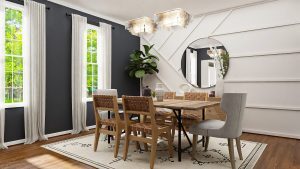 Often, the wall behind the bed in a bedroom or the one facing the main seating area in the living room makes for an ideal accent wall. Experiment with geometric patterns, stripes, or even a mural to add an artistic touch to your interiors.
Pro Tip: Consider the Overall Color Palette of the Room
Remember, the key is balance. Don’t be afraid to play with color, but ensure it complements the overall palette of the room. If you’re hesitant about committing to a bold color, start small with a neutral palette and gradually introduce more vibrant tones.
Accent walls offer a canvas for self-expression in your home. They provide an opportunity to experiment with color and texture, injecting personality and flair into your living spaces. If you are ready to strategically incorporate accent walls into your home, work with an experienced interior design group that can help you elevate your home in a unique way. Contact us today to learn more.
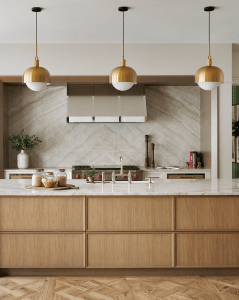 Lighting is a crucial yet often overlooked element in home design. Beyond merely banishing the shadows, the right home lighting choices can entirely transform the mood and aesthetics of your space. When embarking on a remodel, don’t underestimate the power that a well-thought-out lighting scheme can bring to your interiors.
Start By Considering the Various Lighting Needs of Your Home
Start by considering the function of each space. Task lighting in the kitchen and study areas enhances productivity, while ambient lighting in the living room creates a cozy and inviting atmosphere. Experiment with statement pendant lights or elegant chandeliers as focal points in dining areas or entryways.
Carefully Consider Bulb Color’s Influence On Ambiance
Think about the color temperature of your bulbs. Warmer tones promote relaxation in bedrooms and living rooms, while cooler tones are ideal for task-oriented spaces. Additionally, consider incorporating smart lighting systems that allow you to customize the ambiance according to different activities and moods.
Utilize Natural Light in Your Home Lighting Strategy
Natural light is a game-changer. Maximize it by strategically placing mirrors to reflect sunlight, and opt for sheer curtains that allow the natural glow to permeate your space. When designing your lighting strategy, aim for a mix of ambient, task, and accent options to create layers and depth in your interiors.
Don’t treat lighting as an afterthought in your home remodel. Instead, recognize its potential to elevate your design to new heights. With the right lighting choices, you can create an atmosphere that is not only functional but also visually stunning.
 Have you ever wondered why certain stores leave a lasting impression on you, while others just blend into the background? Believe it or not, the answer might lie in the psychology of color – a unique and often overlooked art. In this blog, we’ll explore how the colors used in retail environments can significantly impact consumer behavior, influencing everything from purchasing decisions to overall shopping experiences.
The Psychology of Color in Retail Spaces
Creating the Right Atmosphere in Retail Spaces
The color of a retail space can have a big impact on how customers feel and behave. Warm colors, like reds and oranges, can create a sense of urgency and make people more likely to make impulse purchases. Cool colors, like blues and greens, can promote a calm and relaxed atmosphere, encouraging shoppers to spend more time browsing.
Creating Brand Identity and Recognition with Color in Retail Spaces
The colors you choose for your retail space contribute to your brand’s identity. Consistent use of specific colors builds brand recognition, making it easier for customers to remember and identify your store. Consider the iconic blue and yellow of a certain Swedish furniture giant – their colors are instantly associated with quality and affordability.
The Art of Influencing Purchase Decisions
Subconsciously, color can be a powerful tool in influencing consumer behavior. For example, the color red is often associated with sales and discounts, creating a sense of urgency and encouraging impulse buys. On the other hand, neutral tones may convey a sense of luxury and sophistication, influencing customers to invest in higher-end products. Retail spaces can leverage the psychology of color strategically to influence consumers depending on their goals.
Creating a Memorable Consumer Experience
Beyond individual purchase decisions, the overall color scheme of a retail space contributes to the overall shopping experience. A well-thought-out color palette can enhance the customer journey, making the shopping environment more enjoyable and memorable. This positive experience can lead to repeat business and positive word-of-mouth recommendations.
The psychology of color is a powerful tool in retail. By understanding how colors impact consumer behavior, retailers can use color psychology to create inviting spaces that attract customers and leave a lasting impression.
Read What Our
Clients Say About Us

As a real estate professional, I’ve witnessed countless renovations, and when it came time for our own remodel, I knew I wanted to work with a design-to-build firm. While the main focus was a kitchen renovation, it was important to us that someone look at our entire first floor and how we wanted to live in the redesigned space. For efficiency, ease, and accountability, we also wanted one company to oversee the entire project.

The Ablaze Design Group revamped our kitchen and did an amazing job. It is now, finally, our dream kitchen. They took time and care with every step of the process. There were no gaps in days – they came everyday until the job was done. We couldn’t be happier with the outcome or the people who work at ABL!

I love working with Ablaze Design Group! They are very responsive and they are very friendly. I have worked with contractor that was very arrogant, but ABL was very down to earth and was eager to help me get my work done. And I worked with Dina, she very helpful. I am very happy working with ABL.

As a design professional, I know that I can always count on The Ablaze Design Group to provide exceptional customer service, and the highest level quality of work. I give them my highest professional recommendation.

Outstanding work once again. We are in the process of a lot of painting and ABL could not be more helpful and very competitive with their prices. The workers are great, talented and friendly. We have used ABL for 10+ years and no complaints.

Looking for a professional painter look no further. Howard and his team of Jose, Juan and David repainted our kitchen to perfection. From start to finish no issues. Set up – painting and clean up was perfect. Have future projects that we will reach out to ABL for assistance.
The Ablaze Design Group fixed the walls and ceiling in my bedroom, put on new baseboard, painted everything, installed a ceiling fan, fixed the walls in the stairwell and painted it and the hall ceiling. The work was great, the price was fair, they were courteous, accommodating, and they didn’t leave a mess. We are very pleased.

Howard and his team are the best! We needed to update our entry area and dining room, and convert an old iron staircase railing into a modern wooden one. The whole team was easy to work with, started and finished exactly when they said they would, and the result is just beautiful. We are completely satisfied and will hire them again. Many thanks!
From the first visit by the owner through insurance quotes and design iterations to the many phases of our fully gutted kitchen rehab, the experience could not have been better. We love LOVE our new kitchen. The memory of the experience with ABL is a very good one. WOW
Any questions or suggestions?
Write us a message and we will contact you!
Contact Info
-

259 Waukegan Ave
Highwood IL 60040 -

Office Hours:
Mon- Friday: 8am - 5pm
Store Hours:
Mon - Wed: 10am - 5pm
Thursday: 10am - 7pm
Friday: 10am - 5pm
Saturday: 11am- 4pm -

info@ablazedesigngroup.com
-

(847) 579-1600