
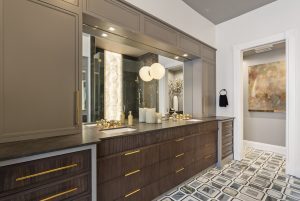
 Bathrooms work hard. Steam, splashes, and daily traffic challenge every surface, so design choices have to keep their good looks even after long, humid mornings. A moisture-smart bathroom design doesn’t require a remodel dictionary—just a few practical decisions that protect edges, seams, and air flow.
Durable Bathroom Design: Where Moisture Actually Goes
Start with the path water takes. Splashes hit vanity fronts and toe-kicks, steam condenses on mirrors and ceilings, and drips run off elbows onto floors near the sink and tub. A durable bathroom design anticipates those paths with sturdy edges, wipeable finishes, and ventilation that clears the air quickly.
Surfaces That Survive Daily Use
Choose materials that shrug off water and clean easily. Quartz or dense porcelain tops handle puddles; solid-surface or tile shower surrounds avoid swollen seams. On floors, quality porcelain tile resists standing water and muddy footprints. Seal grout lines where recommended, but don’t rely on sealer to fix poor details—tight joints and good slopes matter more.
Edges, Seams, and Splash Zones
Protect the places water lingers. Add a shallow backsplash behind the faucet, run silicone neatly where planes meet, and wrap vanity edges with durable finishes that won’t blister. In showers, keep the niche out of the direct spray if possible, and slope the shelf slightly so it drains. Little angles prevent big headaches.
Ventilation That Actually Clears Steam
A quiet, correctly sized exhaust fan is the bathroom’s best friend. Use a timer or humidity sensor so it runs long enough to dry the room after showers. If the mirror stays foggy 15 minutes later, the fan is undersized or the duct path is too long. Crack the door during cool-down to keep air moving.
Bathroom Design – Lighting for Clarity and Comfort
Layer bathroom light like any other room. Side-mounted sconces at face level reduce shadows for grooming; a soft overhead or backlit mirror keeps the room from feeling stark. Warm-neutral tones flatter skin and tile alike. Dimmers let the space shift from energizing mornings to low-light, late-night trips.
Storage That Prevents Clutter in Your Bathroom Design
Moisture-safe storage keeps counters usable. Deep drawers with organizers corral daily items, and a slim cabinet can hold cleaning supplies off the floor. Keep towels near the shower so drips don’t trail across the room.
If you’d like a quick durability check on your current bathroom, request service and we’ll suggest changes that make it tougher without changing your style.
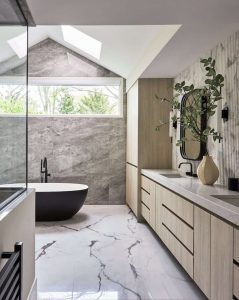 Bathrooms put materials to the test—steam, splashes, and constant use are part of daily life. If you’re remodeling, the finishes you choose should be easy to maintain without sacrificing style. Durable materials don’t have to look utilitarian; the right mix will keep your bathroom fresh and polished for years.
Bathroom Remodeling – Why Durability Is Essential
Moisture and frequent cleaning wear surfaces down quickly. Choosing materials built to withstand that environment helps protect your investment and reduces the amount of upkeep you’ll face long-term. A remodel should simplify your routine, not add chores.
Materials That Do Both
Some options consistently strike the balance between durability and beauty:
-
Porcelain Tile: Handles water exposure and comes in styles from classic stone looks to sleek modern patterns.
-
Quartz Countertops: Non-porous, scratch-resistant, and available in colors that complement any palette.
-
Stainless or Brass Hardware: Resistant to corrosion and easy to wipe clean.
-
Glass Shower Panels: When coated with protective finishes, they resist spotting and reduce scrubbing.
Smart Design Choices Extend Longevity
Even the toughest materials benefit from good planning. Ventilation protects walls and grout, while thoughtful lighting minimizes the look of water spots. Choosing durable materials is step one; pairing them with a well-designed layout ensures they look great over time.
Bathroom Remodeling – Keeping it Stylish & Durable
With the right mix of materials and design, you can have a bathroom that’s easy to care for and a joy to use. Ablaze Design Group can help you select finishes that fit your lifestyle while elevating the overall look.
Ready to make durability look beautiful? Talk to an expert at Ablaze Design Group today.
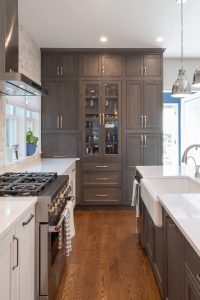 Flooring is a foundational element in home design, influencing both aesthetics and functionality. Choosing the right flooring for your home can be daunting, with options ranging from hardwood to tile to luxury vinyl. This guide will help homeowners make informed decisions by balancing style, durability, and practicality.
Choosing the Right Flooring for Your Home – Tips from the Pros
1. Assess Your Lifestyle and Durability Needs
Consider how much wear and tear your flooring will endure. For homes with children, pets, or high foot traffic, durable materials like tile, laminate, or luxury vinyl plank (LVP) are ideal. Hardwood floors, while timeless, may be more susceptible to scratches and dents, making them better suited for low-traffic areas. If comfort is key, carpet provides warmth and softness underfoot, particularly in bedrooms or living rooms.
2. Match Flooring to Room Function
Different rooms have different requirements. Kitchens and bathrooms, prone to moisture, need water-resistant flooring like tile, LVP, or waterproof laminate. Living areas benefit from hardwood or engineered wood for a classic look, while basements are better suited to moisture-resistant options like concrete or vinyl. Don’t forget about ease of maintenance—select flooring that fits your cleaning routine.
3. Balance Style with Budget
Flooring should complement your home’s style, but it’s also important to stay within budget. Hardwood is a premium choice that adds value but can be expensive. LVP and laminate offer the look of wood at a more affordable price. For those seeking eco-friendly options, bamboo or cork flooring can provide sustainability without breaking the bank.
When remodeling or building a home, you will have a wide array of flooring to choose from. But, your unique needs, space, and budget will help you narrow your flooring choices to one that will best suit your lifestyle and taste. Choosing the right flooring ensures your home is both beautiful and functional, enhancing your living space for years to come. Contact us to get professional assistance in selecting new flooring for your home.
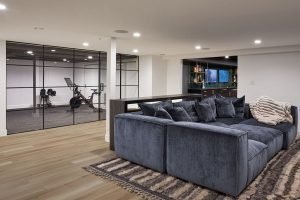 Choosing the right flooring is a crucial step in any home renovation. It affects the overall aesthetic, comfort, and functionality of your space. With so many options available, it can be overwhelming to make a decision. Here’s a guide to help you choose the perfect flooring for your home renovation.
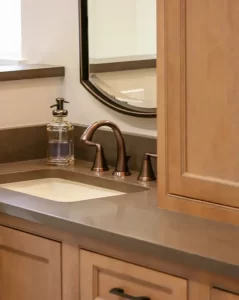 A bathroom remodel can significantly enhance the comfort and functionality of your home. Whether you’re looking for a minor update or a complete overhaul, these ideas will inspire you to create a stunning bathroom space.
1. Update Fixtures and Hardware
Replacing outdated fixtures and hardware is a simple yet effective way to modernize your bathroom. Choose sleek, contemporary designs for faucets, showerheads, and cabinet handles. Matte black and brushed gold finishes are particularly trendy right now.
2. Install a Walk-In Shower
A walk-in shower not only looks luxurious but also adds functionality. Opt for a frameless glass enclosure to create a spacious feel. Consider adding a rainfall showerhead and built-in shelving for a touch of spa-like elegance.
3. Enhance Storage Solutions
Maximize your bathroom’s storage potential with creative solutions. Install floating shelves, under-sink organizers, and medicine cabinets with mirrors. Consider a vanity with built-in drawers and cabinets to keep your space clutter-free.
4. Choose a Bold Color Palette
Don’t be afraid to experiment with bold colors in your bathroom. Deep blues, rich greens, and even dark greys can create a dramatic and modern look. Balance bold walls with neutral tiles and fixtures to avoid overwhelming the space.
5. Upgrade Your Lighting
Good lighting is crucial in a bathroom. Combine ambient, task, and accent lighting for the best effect. Consider installing dimmable lights for added versatility. Statement light fixtures, such as chandeliers or pendant lights, can also add a touch of glamour.
6. Incorporate Natural Elements
Bring a touch of nature into your bathroom with natural materials and greenery. Use stone or wood for countertops, floors, or accent walls. Add plants that thrive in humid environments, like ferns or orchids, to create a relaxing oasis.
7. Add Luxurious Touches
Incorporate luxurious touches to elevate your bathroom’s ambiance. Heated floors, towel warmers, and a soaking tub can make your bathroom feel like a high-end spa. Invest in quality linens and chic accessories to complete the look.
Remodeling your bathroom can transform it into a stylish and functional space. By updating fixtures, enhancing storage, and incorporating natural elements, you can create a bathroom that not only meets your needs but also reflects your personal style.
Read What Our
Clients Say About Us

As a real estate professional, I’ve witnessed countless renovations, and when it came time for our own remodel, I knew I wanted to work with a design-to-build firm. While the main focus was a kitchen renovation, it was important to us that someone look at our entire first floor and how we wanted to live in the redesigned space. For efficiency, ease, and accountability, we also wanted one company to oversee the entire project.

The Ablaze Design Group revamped our kitchen and did an amazing job. It is now, finally, our dream kitchen. They took time and care with every step of the process. There were no gaps in days – they came everyday until the job was done. We couldn’t be happier with the outcome or the people who work at ABL!

I love working with Ablaze Design Group! They are very responsive and they are very friendly. I have worked with contractor that was very arrogant, but ABL was very down to earth and was eager to help me get my work done. And I worked with Dina, she very helpful. I am very happy working with ABL.

As a design professional, I know that I can always count on The Ablaze Design Group to provide exceptional customer service, and the highest level quality of work. I give them my highest professional recommendation.

Outstanding work once again. We are in the process of a lot of painting and ABL could not be more helpful and very competitive with their prices. The workers are great, talented and friendly. We have used ABL for 10+ years and no complaints.

Looking for a professional painter look no further. Howard and his team of Jose, Juan and David repainted our kitchen to perfection. From start to finish no issues. Set up – painting and clean up was perfect. Have future projects that we will reach out to ABL for assistance.
The Ablaze Design Group fixed the walls and ceiling in my bedroom, put on new baseboard, painted everything, installed a ceiling fan, fixed the walls in the stairwell and painted it and the hall ceiling. The work was great, the price was fair, they were courteous, accommodating, and they didn’t leave a mess. We are very pleased.

Howard and his team are the best! We needed to update our entry area and dining room, and convert an old iron staircase railing into a modern wooden one. The whole team was easy to work with, started and finished exactly when they said they would, and the result is just beautiful. We are completely satisfied and will hire them again. Many thanks!
From the first visit by the owner through insurance quotes and design iterations to the many phases of our fully gutted kitchen rehab, the experience could not have been better. We love LOVE our new kitchen. The memory of the experience with ABL is a very good one. WOW
Any questions or suggestions?
Write us a message and we will contact you!
Contact Info
-

259 Waukegan Ave
Highwood IL 60040 -

Office Hours:
Mon- Friday: 8am - 5pm
Store Hours:
Mon - Wed: 10am - 5pm
Thursday: 10am - 7pm
Friday: 10am - 5pm
Saturday: 11am- 4pm -

info@ablazedesigngroup.com
-

(847) 579-1600