

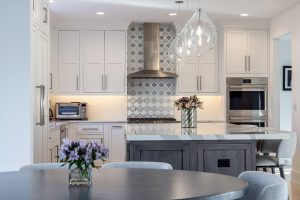
 Great rooms don’t feel “bright”—they feel balanced. When lighting is planned as a simple system, surfaces look natural, tasks are easy, and the room can shift from lively to calm without hunting for switches. The secret isn’t buying more fixtures; it’s choosing a few that work together and giving them clear jobs with well-design lighting plans tailored to your lifestyle.
Cohesive Lighting Plans: The Three Layers
Cohesive lighting plans blend ambient, task, and accent so no single layer has to work too hard. Ambient sets the baseline, task puts light where hands and eyes work, and accent adds dimension. Think of it like audio: a steady rhythm (ambient), clear vocals (task), and a little harmony (accent).
Ambient: Your Everyday Baseline
Ambient light should be even and comfortable, not glaring. Use ceiling fixtures or indirect sources that bounce light off walls or ceilings to reduce harsh shadows. Keep color temperature consistent across the room so walls and floors don’t shift tones from fixture to fixture. If the room feels flat, don’t crank brightness—add depth with the other layers.
Task: Bright Where It Matters
Task lighting makes daily life easier: reading on the sofa, chopping at the island, homework at the table. Place it close to the work surface so you can dim the rest of the room without losing visibility. Favorites include under-cabinet channels in kitchens, swing-arm lamps in living areas, and desk lamps with simple dimming. If you squint or cast your own shadow, the task beam needs to move or brighten.
Accent: Shape and Mood
Accent lighting isn’t decoration; it’s definition. Aim small, warm sources at artwork, open shelves, or textured walls to create gentle contrast. A few low-wattage, well-aimed accents make a space feel layered and calm. If you can spot the bulb, it’s too bright or aimed at the wrong surface—wash the material, not your eyes.
Controls That Keep Things Simple
Group by purpose, not fixture type. One control for ambient, one for task, one for accent. Save two or three scenes you’ll actually use—Morning (bright, cool-neutral), Dinner (lower, warmer), and Wind-Down (mostly accent/task at low levels). Put the controls where habits happen: near the kitchen entry, by the sofa, and at the bedroom door.
Lighting Plans – Common Mistakes to Avoid
-
Too many cans, not enough lamps
-
Mismatched color temperatures that fight each other
-
No dimming, so every scene feels the same
-
Accent lights pointed at eyeballs instead of surfaces
Want a quick walk-through to map lighting plans for your space? Talk to an expert and we’ll sketch options that look good day and night.
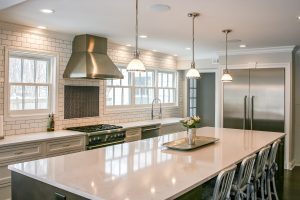 Lighting isn’t just about visibility—it’s about creating mood, enhancing design, and making a space feel truly livable. That’s why professional designers emphasize the importance of lighting layers. By combining ambient, task, and accent lighting, you can add dimension, function, and warmth to any room.
What Are Lighting Layers?
Lighting layers refer to the strategic use of different light sources, each serving a distinct purpose:
-
Ambient Lighting
The foundational, general illumination of a room—usually from ceiling fixtures or recessed lighting. It sets the overall tone and ensures you can move around safely. -
Task Lighting
Focused light for specific activities like cooking, reading, or working. Think pendant lights over an island, under-cabinet lighting, or a desk lamp. -
Accent Lighting
Decorative lighting used to highlight architectural features, artwork, or create mood. Wall sconces, track lights, or LED strips are common examples.
Why Layered Lighting Matters
-
Functionality: You’ll always have the right light for the right task.
-
Mood: You can instantly shift the atmosphere with a dimmer or accent light.
-
Aesthetic Depth: Layering draws attention to textures, finishes, and focal points.
-
Energy Efficiency: Using focused lights where needed can reduce reliance on overheads.
Tips for Creating Effective Lighting Layers
-
Use dimmers for flexibility and mood control.
-
Mix fixture types—don’t rely on one central light source.
-
Highlight what matters—an art piece, a textured wall, or even an alcove.
-
Think in zones, especially in open-concept spaces. Each area can have its own balance.
Leveraging Lighting Layers In Your Home
Mastering lighting layers is one of the most effective ways to enhance your home’s design without major renovation. With the right mix of ambient, task, and accent lighting, you can elevate any space from basic to beautifully intentional.
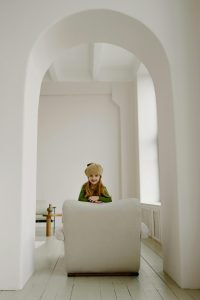 Once a staple of classical architecture, interior arches are making a strong comeback in modern home design—and for good reason. These elegant, curved forms add a sense of softness and fluidity to a space that can feel both contemporary and timeless.
At Ablaze Design Group, we’ve seen a growing interest in arches as homeowners seek to infuse warmth and personality into their spaces. Here’s how this classic feature is being reimagined for today’s interiors.
Why Interior Arches Are Making a Comeback
Straight lines and sharp corners dominated design for years, especially in minimalist and industrial styles. But lately, homeowners are gravitating toward spaces that feel inviting, layered, and soothing.
Arches provide:
-
Visual flow between rooms
-
Softer transitions between spaces
-
A sense of architectural interest without being overwhelming
-
A touch of nostalgia with a modern twist
Ways to Incorporate Arches at Home
-
Doorways & Passages
Arched openings between rooms offer a seamless transition while adding architectural charm. -
Built-In Nooks
Add a cozy reading nook, bar, or shelving unit with an arched frame to create a focal point. -
Windows & Mirrors
Arched windows let in more light and offer a refined, old-world vibe. Even mirrors with arched tops can echo the look. -
Furniture & Decor
Curved lines in furniture, lighting, and even paint techniques mimic the arch trend without major renovation.
Design Tip: Balance Is Key
To keep arches feeling fresh—not dated—pair them with clean lines and natural materials. For example, a curved doorway flanked by sleek cabinetry and muted tones creates a harmonious blend of tradition and modernity.
Interior Arches in Architectural Design – Embrace the Curve
If you’re looking to soften the structure of your space and bring in a little movement, interior arches could be your perfect solution. Whether through architecture or accents, these timeless curves can elevate your home with a subtle sophistication.
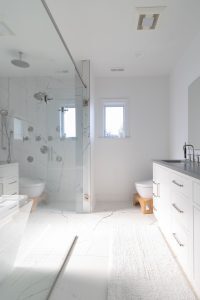 Aging in place has become an increasingly popular option for homeowners who want to maintain independence without sacrificing comfort or safety. Making strategic home renovations for aging in place can ensure that a home remains functional and accessible as needs change over time. Here are some of the best modifications to consider.
Accessible Entryways and Doorways
One of the first upgrades to consider is improving accessibility at home entrances. Installing ramps, widening doorways to at least 36 inches, and using lever-style door handles make moving through the home easier, especially for those using mobility aids. Keyless entry systems can also enhance convenience and security.
Bathroom Safety Upgrades
Bathrooms can be hazardous, so modifications here are crucial. Walk-in tubs or curbless showers with grab bars provide a safer bathing experience. Non-slip flooring, raised toilets, and easy-to-reach storage solutions also help prevent falls and improve usability.
Kitchen Adjustments for Ease of Use
A well-designed kitchen can greatly improve daily living. Lowering countertops and cabinets, installing pull-out shelves, and using touchless faucets make tasks easier and reduce strain. Appliances with front-facing controls and side-opening ovens can also enhance accessibility.
Improved Lighting and Flooring
Good lighting is essential for safety. Installing brighter LED lighting, motion-sensor lights, and under-cabinet illumination can reduce the risk of accidents. Flooring should be slip-resistant and low-maintenance, with minimal transitions between rooms to prevent tripping hazards.
Smart Home Technology for Safety and Comfort
Integrating smart home technology can greatly assist aging in place. Automated lighting, voice-activated assistants, and security systems with remote monitoring allow homeowners to control their environment with ease. Smart thermostats help maintain a comfortable temperature without frequent manual adjustments.
Handrails and Stair Modifications
For homes with multiple levels, stair safety is a priority. Installing sturdy handrails, stairlifts, or even home elevators can ensure accessibility to all areas of the home. If possible, converting a ground-floor space into a bedroom can eliminate the need for stairs altogether.
By investing in the right home renovations for aging in place, homeowners can create a safer, more comfortable environment that supports long-term independent living. These modifications not only enhance quality of life but also add long-term value to the home.
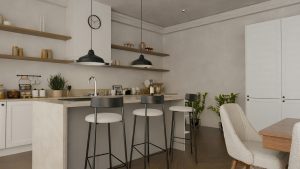 Minimalism remains a popular interior design choice, emphasizing simplicity, functionality, and clutter-free spaces. Minimalist home design embraces clean lines, neutral colors, and purposeful décor to create a calming and visually appealing environment. In 2025, new trends are shaping this aesthetic, blending modern innovation with timeless design principles.
Top Minimalist Home Design Trends
- Neutral & Earthy Color Palettes – Soft whites, warm grays, and earthy tones like beige, sand, and terracotta create a serene and inviting atmosphere. These colors provide a versatile backdrop for minimalist décor and furnishings.
- Multifunctional Furniture – Space-saving pieces like extendable tables, fold-away desks, and built-in storage maximize efficiency in minimalist homes where every square foot counts. Furniture with hidden compartments and modular designs also contribute to a clutter-free aesthetic.
- Natural Materials – Incorporating natural materials such as wood, stone, and linen adds warmth and texture while maintaining a clean, minimalist look. These materials bring a sense of nature indoors and create a connection to the environment.
- Smart Home Integration – Hidden technology like voice-controlled lighting, smart thermostats, and automated window treatments enhances functionality without sacrificing the minimalist aesthetic. Under-cabinet storage solutions and discreet charging stations also contribute to a clutter-free environment.
- Decluttered Open Spaces – Minimalist layouts emphasize open-concept living with fewer but high-quality furniture pieces. This creates a sense of spaciousness and allows for a more flexible use of space.
How to Achieve the Look You Desire in Your Home
- Declutter & Prioritize Essentials – The first step to achieving a minimalist look is to declutter and keep only what adds value or serves a purpose in your space. This involves letting go of unnecessary items and organizing belongings in a thoughtful manner.
- Use Simple, Clean Lines – Choose furniture and décor with sleek, unembellished designs. Avoid ornate details and excessive embellishments that can detract from the minimalist aesthetic.
- Maximize Natural Light – Large windows, sheer curtains, and reflective surfaces enhance brightness and create a sense of openness in minimalist spaces. Natural light also contributes to a positive and uplifting atmosphere.
Why Minimalist Home Design Is Growing in Popularity
With its focus on functionality and simplicity, minimalist home design creates peaceful living environments free from excess and visual noise. The latest trends make it easier than ever to embrace minimalism while maintaining comfort and style. Minimalist homes promote a sense of calm and focus, allowing dwellers to appreciate the beauty of simplicity. Whether renovating or redecorating, adopting minimalist home design can lead to a more organized, stress-free space that fosters a sense of well-being.
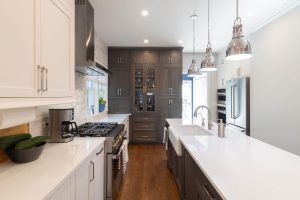 Lighting is more than just a functional necessity—it’s a key design element that can transform any space. Statement lighting serves as both an illumination source and a decorative feature, making it an essential part of modern home design. Whether through bold chandeliers, sculptural fixtures, or strategically placed accent lights, statement lighting can elevate the style and atmosphere of any room.
Ways to Use Statement Lighting in Your Home
- Grand Chandeliers for a Dramatic Entrance – A stunning chandelier in the foyer sets the tone for your home’s aesthetic.
- Pendant Lights Over Kitchen Islands – Stylish pendant lights create a focal point while providing practical task lighting.
- Sconces & Wall Lights for Ambiance – Mounted lighting can add warmth to hallways, bathrooms, and reading nooks.
- Floor & Table Lamps as Art Pieces – Unique lamp designs can act as décor while offering functional illumination.
Choosing the Right Lighting for Your Space
- Match the Scale to the Room – A fixture that’s too small may get lost, while one that’s too large can overwhelm the space.
- Consider the Mood – Soft, warm lights create a cozy feel, while brighter options enhance productivity in workspaces.
- Mix Materials & Styles – Combining metal, glass, or wood elements can complement your existing décor.
The Impact of Statement Lighting in Home Design
Incorporating statement lighting adds personality and sophistication to any home. Whether you prefer modern minimalism or vintage elegance, the right lighting choice can highlight architectural features, define spaces, and enhance the overall aesthetic. Thoughtfully selected lighting ensures your home remains both stylish and functional.
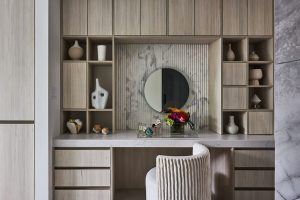 Incorporating natural materials into contemporary design is an excellent way to create spaces that feel both modern and inviting. While contemporary interiors often lean toward sleek lines and minimalism, adding organic textures and materials brings warmth, depth, and character to a space. From wood and stone to metal and glass, the right combination of elements can elevate the aesthetic while maintaining a clean and cohesive look.
The Benefits of Natural Materials in Contemporary Design
Using natural materials in contemporary spaces offers several key advantages:
- Enhanced Aesthetic Appeal: Organic textures add visual interest and soften the sharp lines often found in contemporary interiors.
- Sustainability: Many natural materials, such as reclaimed wood and eco-friendly stone, are sustainable choices that reduce environmental impact.
- Timelessness: Unlike trendy synthetic finishes, materials like wood, marble, and natural fibers remain stylish for years to come.
- Improved Indoor Air Quality: Natural materials, especially untreated and non-toxic ones, contribute to healthier indoor environments by minimizing the release of harmful chemicals.
Ways to Incorporate Natural Materials into Contemporary Spaces
- Wood Accents: Whether through exposed beams, hardwood flooring, or furniture, wood introduces warmth and richness. Opt for sleek, minimal designs to keep the contemporary aesthetic intact.
- Stone Features: Granite, marble, and slate create stunning countertops, backsplashes, and accent walls. Polished finishes maintain a modern feel, while textured surfaces add dimension.
- Metal and Glass Combinations: Blending metal fixtures with glass elements can enhance the balance between industrial and organic styles, contributing to a refined contemporary look.
- Natural Textiles: Incorporate linen, cotton, jute, or wool through rugs, upholstery, and window treatments to introduce softness and comfort.
- Biophilic Elements: Live plants, green walls, or nature-inspired decor pieces reinforce a connection to the outdoors while enhancing the overall ambiance.
Achieving a Harmonious Balance
To seamlessly integrate natural materials into a contemporary space, keep these principles in mind:
- Maintain Clean Lines: Choose furnishings and architectural elements with simple, streamlined silhouettes to uphold the contemporary aesthetic.
- Stick to a Neutral Palette: Earthy tones, such as warm browns, soft grays, and muted greens, complement both natural materials and modern designs.
- Play with Contrast: Pair sleek, high-gloss finishes with matte or textured natural materials to create a dynamic yet balanced look.
- Use Materials Thoughtfully: Avoid overcrowding a space with too many different textures—focus on a few key natural elements for cohesion.
Blending natural materials into contemporary design is a sophisticated way to create a space that feels both modern and inviting. By thoughtfully selecting and balancing wood, stone, metal, and textiles, homeowners can achieve a timeless aesthetic that embraces nature while maintaining a sleek and stylish interior.
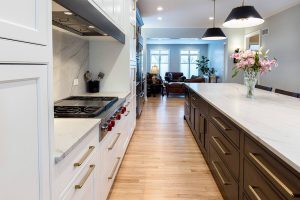 Maximizing space in a small home requires thoughtful planning and smart design choices. Multi-functional spaces allow homeowners to get the most out of every square foot while maintaining style and comfort. Whether you live in a studio apartment or a compact house, integrating flexible design solutions can make your home more efficient and enjoyable.
Multi-Functional Spaces – Smart Design Strategies for Small Homes
- Use Transformable Furniture: Pieces like Murphy beds, fold-out desks, and modular sofas can help a single space serve multiple purposes without feeling cramped.
- Optimize Vertical Space: Installing shelves, hanging storage, and lofted areas can free up floor space for essential functions, making a room feel larger and more open.
- Create Defined Zones: Use rugs, lighting, or room dividers to separate spaces for different activities without adding walls or permanent structures.
- Choose Dual-Purpose Pieces: Items like storage ottomans, expandable dining tables, and foldable chairs add functionality without cluttering the space.
- Utilize Hidden Storage: Built-in cabinets, under-bed storage, and multi-tiered shelving units help keep essential items accessible while reducing visual clutter.
Incorporating Style and Practicality
A multi-functional space should be both efficient and aesthetically pleasing. Consider these elements:
- Neutral Color Palettes: Light colors make small spaces feel larger and more open, creating a sense of airiness and brightness.
- Minimalist Decor: Reducing clutter and choosing streamlined furniture enhances usability while maintaining an elegant and contemporary feel.
- Ample Lighting: A combination of natural light and layered lighting solutions, such as pendant lights and under-cabinet fixtures, helps define spaces and create an inviting atmosphere.
Real-Life Applications of Multi-Functional Spaces
- Home Office & Guest Room: A wall bed or sleeper sofa can transform an office into a comfortable guest room, making it ideal for hosting visitors without sacrificing workspace.
- Living Room & Dining Area: Fold-away tables and stackable chairs allow a living area to double as a dining space, maximizing the functionality of a single room.
- Bedroom & Workout Area: Compact storage solutions and foldable workout equipment can make a bedroom serve dual purposes, ensuring fitness needs are met without sacrificing comfort.
- Kids’ Playroom & Study Zone: Multi-functional furniture such as storage desks and collapsible play areas help create a space that adapts as children grow.
By implementing these strategies, homeowners can create multi-functional spaces that enhance their lifestyle while making the most of a smaller footprint. Thoughtful design choices ensure that every inch of space is used effectively without sacrificing comfort or style. Whether you need to maximize storage, create flexible living areas, or incorporate workspaces, smart planning can make your small home feel spacious and adaptable.
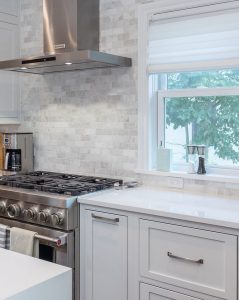 Home design doesn’t have to fit into one box. A growing trend in interior design is blending modern and traditional elements to create a unique, cohesive space that reflects both classic elegance and contemporary simplicity. If you’re unsure how to successfully combine these two design aesthetics, here are some tips from professionals to achieve a harmonious balance.
Home Design – The Art of Blending Modern & Traditional Design Styles
1. Start with a Neutral Foundation
A neutral color palette is the perfect canvas for mixing modern and traditional styles. Shades like white, beige, or gray create a cohesive backdrop that allows your design elements to stand out. Traditional furniture or accents will feel more current in a neutral space, while modern pieces will blend seamlessly into the room without feeling out of place.
2. Mix Furniture Styles for Contrast
Blending modern and traditional furniture is key to achieving a balanced look. For example, you might pair a sleek, minimalist sofa with a vintage wooden coffee table or place a mid-century modern chair in a room with traditional wainscoting. The key is to create contrast without clashing. Look for pieces that complement each other in terms of color, material, or scale.
3. Combine Textures and Materials
To tie both styles together, play with a variety of textures and materials. A traditional Persian rug can add warmth to a modern living room, while smooth marble countertops can balance out the ornate details in a more classic kitchen. Mixing materials such as metal, wood, glass, and fabric can help create depth and interest in the space, making the design feel more layered and intentional.
Mastering the art of blending modern and traditional styles allows you to create a home that’s both timeless and trendy, offering the best of both worlds.
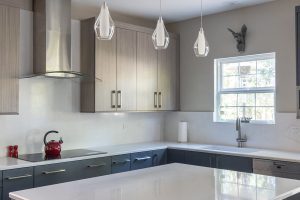 Lighting is one of the most important elements of home renovation, yet it’s often overlooked. The right lighting can transform a space, making it feel more welcoming, functional, and visually appealing. Whether you’re renovating a single room or your entire home, choosing the right lighting can dramatically impact the overall ambiance and design.
Choosing Lighting for Your Home Renovation – Tips from the Pros
1. Assess the Function of Each Room
When selecting lighting, it’s essential to consider the function of the room. Different rooms have different lighting needs. For example, kitchens and workspaces benefit from bright, focused task lighting, while living rooms and bedrooms may need softer, ambient lighting to create a cozy atmosphere. In bathrooms, bright but diffused lighting is ideal for mirrors and vanity areas.
2. Layer Your Lighting for Depth and Flexibility
A well-lit room uses a combination of lighting types. By layering ambient, task, and accent lighting, you can achieve both practicality and style. Start with overhead lighting, such as chandeliers or recessed fixtures, to provide general illumination. Add task lighting in areas where more focused light is needed, such as under-cabinet lights in kitchens. Lastly, accent lighting, like wall sconces or pendant lights, can highlight architectural features and add depth to the room.
3. Consider the Style and Design of Your Fixtures
Your lighting choices should complement your overall design aesthetic. For a modern look, opt for sleek fixtures with clean lines. For more traditional homes, chandeliers, ornate sconces, or vintage-inspired pendant lights may be a better fit. Don’t be afraid to mix styles if it suits your vision—just ensure that the fixtures harmonize with the room’s color scheme and materials.
With careful planning and professional guidance during your home renovation, the right lighting can elevate your home’s design while providing the perfect balance of form and function.