
- Home
- /
- Blog
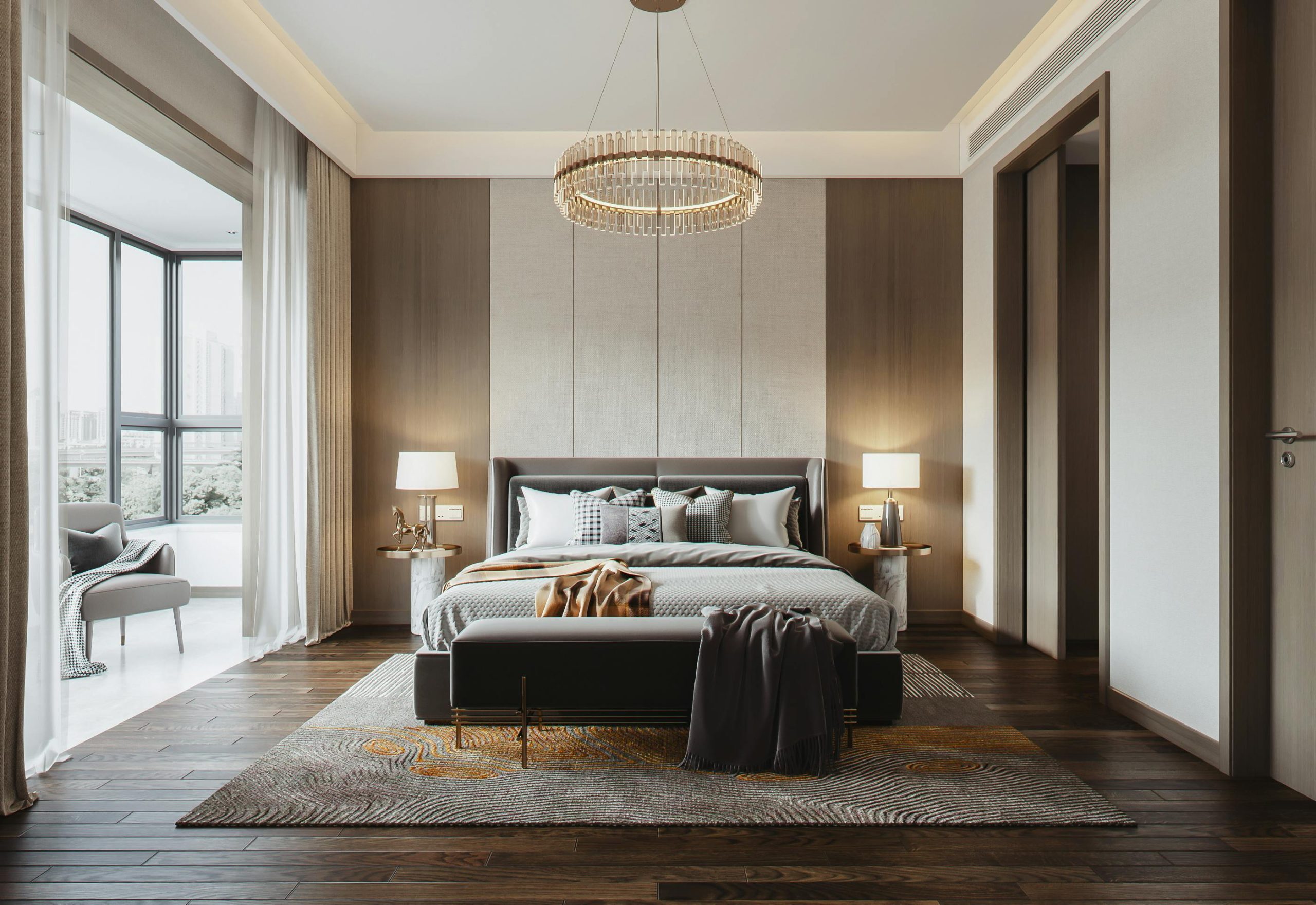
 A primary bedroom has one job: help you unwind. Yet many bedrooms feel more like a catch-all space than a retreat. Clothes drape over chairs, lighting feels harsh, and the layout competes with relaxation instead of supporting it. Thoughtful primary bedroom design can shift the space from chaotic to calming without relying on major renovations. It’s about focusing on the sensory details that shape how your mind and body feel the moment you walk in.
Primary Bedroom Design That Creates the Relaxing Retreat You Want & Need
Start With Lighting That Supports Your Rhythm
Lighting dictates mood more than almost any other design element. Bedrooms benefit from layered lighting—ambient, task, and accent—so the room can shift effortlessly from morning brightness to evening calm. Warm-temperature bulbs (2700K–3000K) soften the entire space, especially when paired with dimmers. Sconces or pendant lights beside the bed free up nightstand space and eliminate the glare that overhead fixtures create. If you want the room to instantly feel more peaceful, adjusting lighting is one of the quickest wins.
Choose Colors for Your Primary Bedroom That Quiet the Nervous System
Color psychology matters most in the room where you begin and end each day. Soft neutrals, muted greens, warm grays, and dusty blues tend to anchor the space without feeling heavy. These tones support natural relaxation because they mimic colors in nature and reduce visual noise. In primary bedroom design, contrast is still important—too much neutrality can feel flat—so adding depth through textured bedding, natural woods, or toned-down accent colors gives the room dimension while keeping the palette restful.
Your Primary Bedroom Layout Should Encourage Flow and Ease
Many bedrooms feel cramped not because they’re small, but because the layout forces awkward movement. Make sure there’s a clear pathway from the door to the bed and that furniture doesn’t jut into natural traffic lines. Positioning the bed so it’s visible when you enter creates a sense of grounding. Incorporating closed storage—dresser drawers, baskets, nightstands with doors—helps eliminate visual clutter, which makes the entire room feel calmer even when life gets busy.
Add Sensory Details That Signal Relaxation
The most relaxing bedrooms engage the senses lightly, without overstimulation. Soft rugs, breathable fabrics, blackout curtains, and a thoughtfully chosen scent can all support a restful environment. Consider natural materials like linen, cotton, wool, and wood, which feel warm and inviting without adding chaos. For clients who struggle with sleep, noise-absorbing textiles or simple white-noise strategies can make a noticeable difference.
A Primary Bedroom Retreat Designed for Real Life
A well-designed primary bedroom doesn’t need to feel staged or overly curated. It should feel lived-in, supportive, and aligned with how you naturally wind down. When lighting, color, and layout work together, the space becomes more than just a room with a bed—it becomes a daily reset point that’s built to restore you.