- Home
- /
- Blog
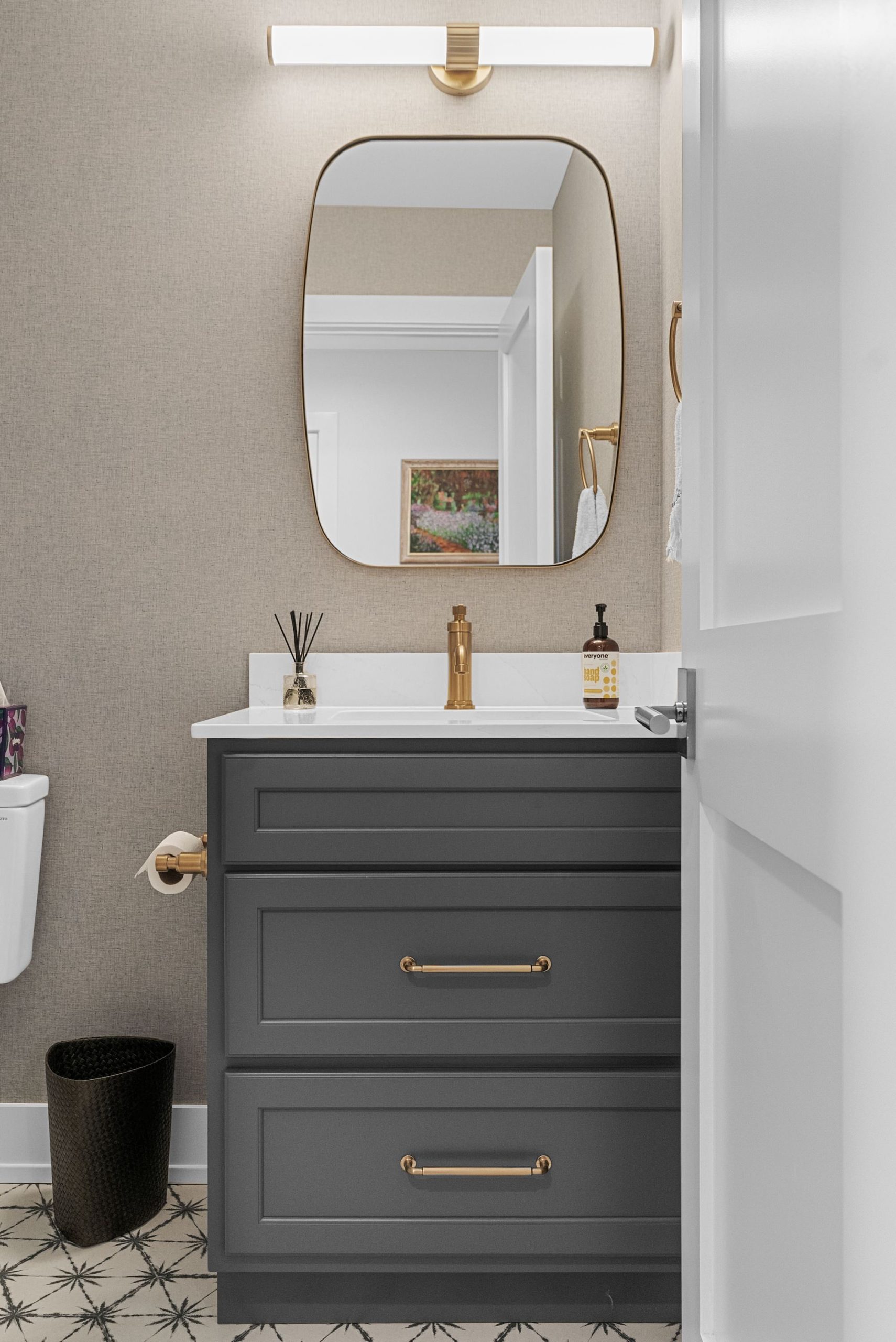
 It’s easy to fall in love with a finish in a showroom. It’s harder to love that same finish three years later after fingerprints, cleaning, sunlight, kids, pets, and everyday wear have had their way with it. A beautifully designed home isn’t just about how it looks on day one—it’s about how it holds up. Choosing finishes that age well means selecting materials and surfaces that stay attractive, feel comfortable to live with, and don’t require constant maintenance to look “nice.”
What “Finishes That Age Well” Really Means
A finish that ages well does two things: it wears gracefully and it cleans easily. It doesn’t show every smudge, scratch, or water spot. It holds up to routine use without looking tired. The goal isn’t perfection—it’s durability with a lived-in softness. Finishes that age well tend to have depth, texture, or subtle variation that hides the little marks that show up in real life.
Go For Texture Over Gloss Finishes
High-gloss looks striking, but it often highlights imperfections. It can show fingerprints, streaks, and tiny scratches more than most homeowners expect. Softer sheens and tactile textures usually feel more forgiving. Matte and satin finishes often look more consistent over time, especially in busy spaces. When you’re choosing finishes that age well, think “forgiving” and “cleanable,” not “flawless.”
Choose Materials That Hide Wear
Natural variation is a secret weapon. Stone with movement, wood grain, lightly patterned tile, and surfaces with subtle mottling help disguise daily wear. Solid, perfectly uniform surfaces can look stunning—but they can also show every mark. A finish with visual depth helps a home stay looking polished without constant upkeep, which is a big reason finishes that age well tend to have a little dimension to them.
Consider How You’ll Clean It
Some finishes are technically durable but miserable to maintain. If a surface requires specialty cleaners, frequent sealing, or constant polishing to look good, it may not feel “worth it” in daily life. A better approach is selecting finishes that tolerate normal cleaning habits. Finishes that age well work with your routine, not against it.
Think About Sunlight and Time
Natural light is beautiful, but it changes materials. Some woods deepen or shift over time. Some fabrics fade. Some paint colors look different as lighting changes seasonally. A good designer plans for how the home will look in bright afternoon sun and soft evening light—and how it will look after years of exposure. Choosing finishes that age well includes considering time as part of the design.
Choosing Finishes – The Most Timeless Option Is the One You Don’t Have to Babysit
The best homes feel relaxed, not fragile. When finishes are chosen with durability and real life in mind, the home stays inviting and cohesive—without feeling like you have to protect it from your own family. Finishes that age well are the ones that make the space easier to live in, not harder.