- Home
- /
- Blog
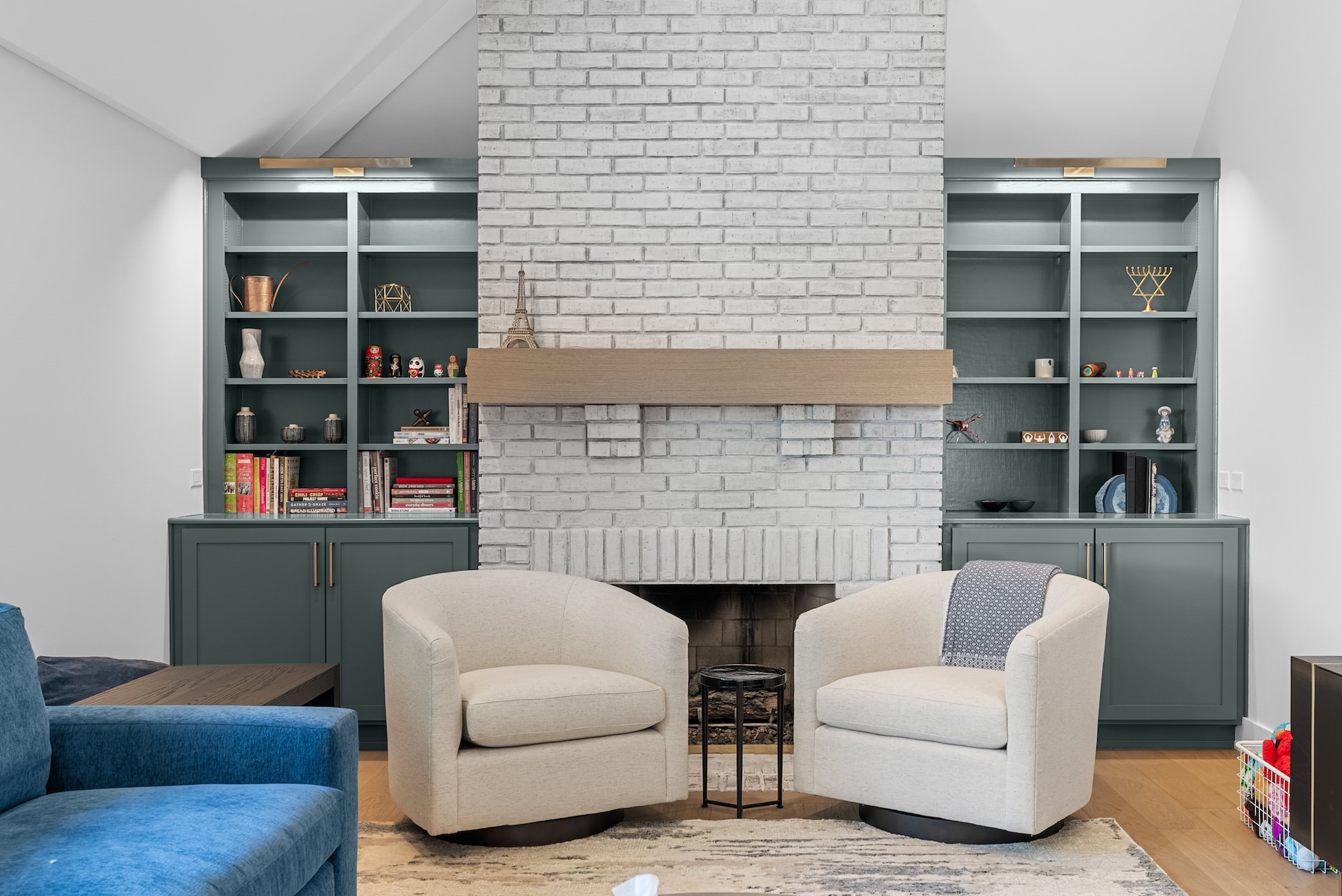
 Picking paint should feel simple, but it rarely is. A color that looks warm and creamy in the store can turn weirdly pink at home. A “clean white” can suddenly read blue or green. That’s not you being picky—that’s paint undertones showing up under your specific lighting, flooring, and finishes. The goal isn’t to find a “perfect” paint chip. It’s to choose a color that behaves well in your space from morning to night.
Why Wall Paint Undertones Change From Store to Home
Paint isn’t just a color—it’s a mix of pigments that react to light. Showrooms and paint aisles often use bright, cool lighting that flattens the way a color reads. Your home has different variables: natural light direction, window tint, tree shade, warm bulbs, cool bulbs, and reflective surfaces. Those variables pull paint undertones forward, which is why a neutral can suddenly look lavender or slightly green once it’s on the wall.
Paint Undertones and Your Fixed Finishes
The easiest way to avoid regret is to compare paint to what you’re not changing. Flooring, countertops, cabinets, tile, stone, and even large rugs influence how paint reads. If your floors pull warm (golden oak, warm tile, creamy travertine), a cool gray can look icy. If your counters have a green-gray vein, a “neutral” beige can look pink next to it. Paint undertones don’t exist in isolation—they interact with everything around them.
Sample Smarter, Not Harder
A tiny paint chip isn’t enough. Instead, test large samples in multiple spots. Paint a few poster boards (or use peel-and-stick samples) and move them around: near windows, in darker corners, and next to trim. Look at them in morning light, midday light, and at night with lamps on. This is the fastest way to see what paint undertones are doing in real conditions, without committing an entire room.
Don’t Ignore Sheen and Trim Color
Sheen changes perception. Matte tends to absorb light and can make colors feel softer, while eggshell or satin reflects more and can make undertones more noticeable. Trim color matters too. Bright white trim can make a wall color look darker or cooler; warmer trim can make a neutral wall color look more yellow. If you’re repainting trim, decide that first—because paint undertones can shift when the surrounding white changes.
A Clean Process That Prevents “Almost Right”
Most paint regret happens when a color is close—but not quite. The fix is rarely repainting immediately; people live with it, and the room never feels finished. A professional approach treats paint selection like design, not guessing. When you plan for lighting, finishes, sheen, and trim together, paint undertones stop being a surprise and start becoming a tool you can use intentionally.