
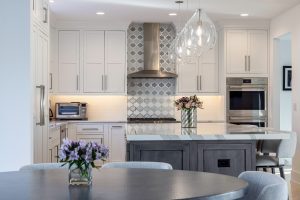
 Great rooms don’t feel “bright”—they feel balanced. When lighting is planned as a simple system, surfaces look natural, tasks are easy, and the room can shift from lively to calm without hunting for switches. The secret isn’t buying more fixtures; it’s choosing a few that work together and giving them clear jobs with well-design lighting plans tailored to your lifestyle.
Cohesive Lighting Plans: The Three Layers
Cohesive lighting plans blend ambient, task, and accent so no single layer has to work too hard. Ambient sets the baseline, task puts light where hands and eyes work, and accent adds dimension. Think of it like audio: a steady rhythm (ambient), clear vocals (task), and a little harmony (accent).
Ambient: Your Everyday Baseline
Ambient light should be even and comfortable, not glaring. Use ceiling fixtures or indirect sources that bounce light off walls or ceilings to reduce harsh shadows. Keep color temperature consistent across the room so walls and floors don’t shift tones from fixture to fixture. If the room feels flat, don’t crank brightness—add depth with the other layers.
Task: Bright Where It Matters
Task lighting makes daily life easier: reading on the sofa, chopping at the island, homework at the table. Place it close to the work surface so you can dim the rest of the room without losing visibility. Favorites include under-cabinet channels in kitchens, swing-arm lamps in living areas, and desk lamps with simple dimming. If you squint or cast your own shadow, the task beam needs to move or brighten.
Accent: Shape and Mood
Accent lighting isn’t decoration; it’s definition. Aim small, warm sources at artwork, open shelves, or textured walls to create gentle contrast. A few low-wattage, well-aimed accents make a space feel layered and calm. If you can spot the bulb, it’s too bright or aimed at the wrong surface—wash the material, not your eyes.
Controls That Keep Things Simple
Group by purpose, not fixture type. One control for ambient, one for task, one for accent. Save two or three scenes you’ll actually use—Morning (bright, cool-neutral), Dinner (lower, warmer), and Wind-Down (mostly accent/task at low levels). Put the controls where habits happen: near the kitchen entry, by the sofa, and at the bedroom door.
Lighting Plans – Common Mistakes to Avoid
-
Too many cans, not enough lamps
-
Mismatched color temperatures that fight each other
-
No dimming, so every scene feels the same
-
Accent lights pointed at eyeballs instead of surfaces
Want a quick walk-through to map lighting plans for your space? Talk to an expert and we’ll sketch options that look good day and night.
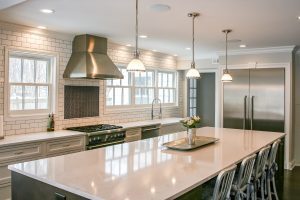 Lighting isn’t just about visibility—it’s about creating mood, enhancing design, and making a space feel truly livable. That’s why professional designers emphasize the importance of lighting layers. By combining ambient, task, and accent lighting, you can add dimension, function, and warmth to any room.
What Are Lighting Layers?
Lighting layers refer to the strategic use of different light sources, each serving a distinct purpose:
-
Ambient Lighting
The foundational, general illumination of a room—usually from ceiling fixtures or recessed lighting. It sets the overall tone and ensures you can move around safely. -
Task Lighting
Focused light for specific activities like cooking, reading, or working. Think pendant lights over an island, under-cabinet lighting, or a desk lamp. -
Accent Lighting
Decorative lighting used to highlight architectural features, artwork, or create mood. Wall sconces, track lights, or LED strips are common examples.
Why Layered Lighting Matters
-
Functionality: You’ll always have the right light for the right task.
-
Mood: You can instantly shift the atmosphere with a dimmer or accent light.
-
Aesthetic Depth: Layering draws attention to textures, finishes, and focal points.
-
Energy Efficiency: Using focused lights where needed can reduce reliance on overheads.
Tips for Creating Effective Lighting Layers
-
Use dimmers for flexibility and mood control.
-
Mix fixture types—don’t rely on one central light source.
-
Highlight what matters—an art piece, a textured wall, or even an alcove.
-
Think in zones, especially in open-concept spaces. Each area can have its own balance.
Leveraging Lighting Layers In Your Home
Mastering lighting layers is one of the most effective ways to enhance your home’s design without major renovation. With the right mix of ambient, task, and accent lighting, you can elevate any space from basic to beautifully intentional.
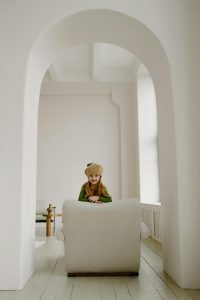 Once a staple of classical architecture, interior arches are making a strong comeback in modern home design—and for good reason. These elegant, curved forms add a sense of softness and fluidity to a space that can feel both contemporary and timeless.
At Ablaze Design Group, we’ve seen a growing interest in arches as homeowners seek to infuse warmth and personality into their spaces. Here’s how this classic feature is being reimagined for today’s interiors.
Why Interior Arches Are Making a Comeback
Straight lines and sharp corners dominated design for years, especially in minimalist and industrial styles. But lately, homeowners are gravitating toward spaces that feel inviting, layered, and soothing.
Arches provide:
-
Visual flow between rooms
-
Softer transitions between spaces
-
A sense of architectural interest without being overwhelming
-
A touch of nostalgia with a modern twist
Ways to Incorporate Arches at Home
-
Doorways & Passages
Arched openings between rooms offer a seamless transition while adding architectural charm. -
Built-In Nooks
Add a cozy reading nook, bar, or shelving unit with an arched frame to create a focal point. -
Windows & Mirrors
Arched windows let in more light and offer a refined, old-world vibe. Even mirrors with arched tops can echo the look. -
Furniture & Decor
Curved lines in furniture, lighting, and even paint techniques mimic the arch trend without major renovation.
Design Tip: Balance Is Key
To keep arches feeling fresh—not dated—pair them with clean lines and natural materials. For example, a curved doorway flanked by sleek cabinetry and muted tones creates a harmonious blend of tradition and modernity.
Interior Arches in Architectural Design – Embrace the Curve
If you’re looking to soften the structure of your space and bring in a little movement, interior arches could be your perfect solution. Whether through architecture or accents, these timeless curves can elevate your home with a subtle sophistication.
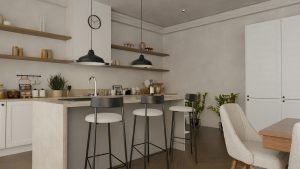 Minimalism remains a popular interior design choice, emphasizing simplicity, functionality, and clutter-free spaces. Minimalist home design embraces clean lines, neutral colors, and purposeful décor to create a calming and visually appealing environment. In 2025, new trends are shaping this aesthetic, blending modern innovation with timeless design principles.
Top Minimalist Home Design Trends
- Neutral & Earthy Color Palettes – Soft whites, warm grays, and earthy tones like beige, sand, and terracotta create a serene and inviting atmosphere. These colors provide a versatile backdrop for minimalist décor and furnishings.
- Multifunctional Furniture – Space-saving pieces like extendable tables, fold-away desks, and built-in storage maximize efficiency in minimalist homes where every square foot counts. Furniture with hidden compartments and modular designs also contribute to a clutter-free aesthetic.
- Natural Materials – Incorporating natural materials such as wood, stone, and linen adds warmth and texture while maintaining a clean, minimalist look. These materials bring a sense of nature indoors and create a connection to the environment.
- Smart Home Integration – Hidden technology like voice-controlled lighting, smart thermostats, and automated window treatments enhances functionality without sacrificing the minimalist aesthetic. Under-cabinet storage solutions and discreet charging stations also contribute to a clutter-free environment.
- Decluttered Open Spaces – Minimalist layouts emphasize open-concept living with fewer but high-quality furniture pieces. This creates a sense of spaciousness and allows for a more flexible use of space.
How to Achieve the Look You Desire in Your Home
- Declutter & Prioritize Essentials – The first step to achieving a minimalist look is to declutter and keep only what adds value or serves a purpose in your space. This involves letting go of unnecessary items and organizing belongings in a thoughtful manner.
- Use Simple, Clean Lines – Choose furniture and décor with sleek, unembellished designs. Avoid ornate details and excessive embellishments that can detract from the minimalist aesthetic.
- Maximize Natural Light – Large windows, sheer curtains, and reflective surfaces enhance brightness and create a sense of openness in minimalist spaces. Natural light also contributes to a positive and uplifting atmosphere.
Why Minimalist Home Design Is Growing in Popularity
With its focus on functionality and simplicity, minimalist home design creates peaceful living environments free from excess and visual noise. The latest trends make it easier than ever to embrace minimalism while maintaining comfort and style. Minimalist homes promote a sense of calm and focus, allowing dwellers to appreciate the beauty of simplicity. Whether renovating or redecorating, adopting minimalist home design can lead to a more organized, stress-free space that fosters a sense of well-being.
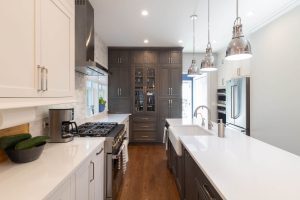 Lighting is more than just a functional necessity—it’s a key design element that can transform any space. Statement lighting serves as both an illumination source and a decorative feature, making it an essential part of modern home design. Whether through bold chandeliers, sculptural fixtures, or strategically placed accent lights, statement lighting can elevate the style and atmosphere of any room.
Ways to Use Statement Lighting in Your Home
- Grand Chandeliers for a Dramatic Entrance – A stunning chandelier in the foyer sets the tone for your home’s aesthetic.
- Pendant Lights Over Kitchen Islands – Stylish pendant lights create a focal point while providing practical task lighting.
- Sconces & Wall Lights for Ambiance – Mounted lighting can add warmth to hallways, bathrooms, and reading nooks.
- Floor & Table Lamps as Art Pieces – Unique lamp designs can act as décor while offering functional illumination.
Choosing the Right Lighting for Your Space
- Match the Scale to the Room – A fixture that’s too small may get lost, while one that’s too large can overwhelm the space.
- Consider the Mood – Soft, warm lights create a cozy feel, while brighter options enhance productivity in workspaces.
- Mix Materials & Styles – Combining metal, glass, or wood elements can complement your existing décor.
The Impact of Statement Lighting in Home Design
Incorporating statement lighting adds personality and sophistication to any home. Whether you prefer modern minimalism or vintage elegance, the right lighting choice can highlight architectural features, define spaces, and enhance the overall aesthetic. Thoughtfully selected lighting ensures your home remains both stylish and functional.
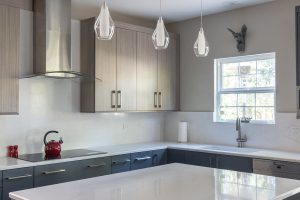 Lighting is one of the most important elements of home renovation, yet it’s often overlooked. The right lighting can transform a space, making it feel more welcoming, functional, and visually appealing. Whether you’re renovating a single room or your entire home, choosing the right lighting can dramatically impact the overall ambiance and design.
Choosing Lighting for Your Home Renovation – Tips from the Pros
1. Assess the Function of Each Room
When selecting lighting, it’s essential to consider the function of the room. Different rooms have different lighting needs. For example, kitchens and workspaces benefit from bright, focused task lighting, while living rooms and bedrooms may need softer, ambient lighting to create a cozy atmosphere. In bathrooms, bright but diffused lighting is ideal for mirrors and vanity areas.
2. Layer Your Lighting for Depth and Flexibility
A well-lit room uses a combination of lighting types. By layering ambient, task, and accent lighting, you can achieve both practicality and style. Start with overhead lighting, such as chandeliers or recessed fixtures, to provide general illumination. Add task lighting in areas where more focused light is needed, such as under-cabinet lights in kitchens. Lastly, accent lighting, like wall sconces or pendant lights, can highlight architectural features and add depth to the room.
3. Consider the Style and Design of Your Fixtures
Your lighting choices should complement your overall design aesthetic. For a modern look, opt for sleek fixtures with clean lines. For more traditional homes, chandeliers, ornate sconces, or vintage-inspired pendant lights may be a better fit. Don’t be afraid to mix styles if it suits your vision—just ensure that the fixtures harmonize with the room’s color scheme and materials.
With careful planning and professional guidance during your home renovation, the right lighting can elevate your home’s design while providing the perfect balance of form and function.
Read What Our
Clients Say About Us

As a real estate professional, I’ve witnessed countless renovations, and when it came time for our own remodel, I knew I wanted to work with a design-to-build firm. While the main focus was a kitchen renovation, it was important to us that someone look at our entire first floor and how we wanted to live in the redesigned space. For efficiency, ease, and accountability, we also wanted one company to oversee the entire project.

The Ablaze Design Group revamped our kitchen and did an amazing job. It is now, finally, our dream kitchen. They took time and care with every step of the process. There were no gaps in days – they came everyday until the job was done. We couldn’t be happier with the outcome or the people who work at ABL!

I love working with Ablaze Design Group! They are very responsive and they are very friendly. I have worked with contractor that was very arrogant, but ABL was very down to earth and was eager to help me get my work done. And I worked with Dina, she very helpful. I am very happy working with ABL.

As a design professional, I know that I can always count on The Ablaze Design Group to provide exceptional customer service, and the highest level quality of work. I give them my highest professional recommendation.

Outstanding work once again. We are in the process of a lot of painting and ABL could not be more helpful and very competitive with their prices. The workers are great, talented and friendly. We have used ABL for 10+ years and no complaints.

Looking for a professional painter look no further. Howard and his team of Jose, Juan and David repainted our kitchen to perfection. From start to finish no issues. Set up – painting and clean up was perfect. Have future projects that we will reach out to ABL for assistance.
The Ablaze Design Group fixed the walls and ceiling in my bedroom, put on new baseboard, painted everything, installed a ceiling fan, fixed the walls in the stairwell and painted it and the hall ceiling. The work was great, the price was fair, they were courteous, accommodating, and they didn’t leave a mess. We are very pleased.

Howard and his team are the best! We needed to update our entry area and dining room, and convert an old iron staircase railing into a modern wooden one. The whole team was easy to work with, started and finished exactly when they said they would, and the result is just beautiful. We are completely satisfied and will hire them again. Many thanks!
From the first visit by the owner through insurance quotes and design iterations to the many phases of our fully gutted kitchen rehab, the experience could not have been better. We love LOVE our new kitchen. The memory of the experience with ABL is a very good one. WOW
Any questions or suggestions?
Write us a message and we will contact you!
Contact Info
-

259 Waukegan Ave
Highwood IL 60040 -

Office Hours:
Mon- Friday: 8am - 5pm
Store Hours:
Mon - Wed: 10am - 5pm
Thursday: 10am - 7pm
Friday: 10am - 5pm
Saturday: 11am- 4pm -

info@ablazedesigngroup.com
-

(847) 579-1600