
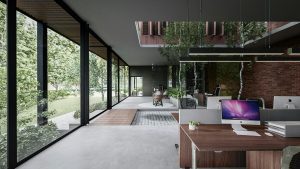
 As more people seek comfort and calm in their homes, biophilic design has emerged as one of the most compelling trends in interior architecture. It’s more than just adding plants—it’s about creating spaces that foster a deeper connection with the natural world.
At Ablaze Design Group, we believe that great design doesn’t just look good—it feels good. That’s exactly what biophilic spaces are all about.
What Is Biophilic Design?
Biophilic design refers to incorporating elements of nature into built environments to enhance well-being, reduce stress, and improve mood. It draws on textures, shapes, and systems found in nature to create environments that are both nurturing and restorative.
Elements of Biophilic Design to Consider
-
Natural Light
Maximize daylight with large windows, skylights, and reflective surfaces that bounce light deeper into the home. -
Indoor Plants & Green Walls
Live greenery improves air quality, adds texture, and invites the outdoors in. -
Natural Materials
Use wood, stone, rattan, and clay to evoke the feeling of organic warmth. -
Earth-Tone Color Palettes
Soft greens, warm browns, and muted neutrals create a calming environment inspired by nature. -
Water Features
Even small fountains or indoor water walls can bring soothing sound and movement to a space.
Benefits Beyond Aesthetics
Biophilic interiors aren’t just beautiful—they’re beneficial. Studies show they can:
-
Lower stress and blood pressure
-
Boost creativity and focus
-
Improve sleep and mood
Bringing the Outside In
If you’re longing for a calmer, more connected home environment, biophilic design offers a timeless solution. Whether it’s a large-scale remodel or a few nature-inspired updates, these elements can transform the way you experience your space.
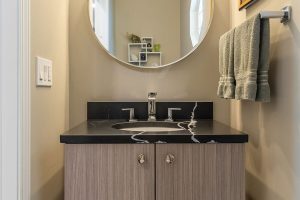 Minimalism has long been celebrated for its clean lines and clutter-free spaces—but for some, its starkness feels too cold. Enter warm minimalism, a rising trend in interior design that combines the simplicity of minimalism with the comfort of natural textures, neutral tones, and inviting finishes.
At Ablaze Design Group, we’re seeing more clients gravitate toward this style as they look to create spaces that feel as relaxing as they are refined.
What Is Warm Minimalism?
Warm minimalism keeps the “less is more” foundation of traditional minimalism but softens the approach. Instead of white-on-white palettes and ultra-modern finishes, this look introduces:
-
Earthy color schemes (beige, clay, taupe, olive)
-
Natural materials like wood, linen, and stone
-
Textures that add depth without adding clutter
-
Clean lines paired with organic shapes
The result is a calming space that feels curated, not cold.
Why It’s Gaining Popularity
Today’s homeowners are seeking refuge from busy lives—and their interiors reflect that need. Warm minimalism provides:
-
A sense of calm: Ideal for creating a relaxing home environment
-
Sustainable design: Emphasis on quality over quantity
-
Versatility: Works well with a variety of design elements (Scandinavian, Japandi, or transitional)
It’s also perfect for open-concept layouts, where continuity and softness are essential.
How to Achieve the Look
You don’t need a full renovation to embrace warm minimalism. Start with a few key upgrades:
-
Simplify your space – Declutter, but keep meaningful or textured accents
-
Add warmth with materials – Swap cold finishes for wood, rattan, or soft textiles
-
Balance neutral tones – Layer beige, taupe, and cream with natural green or terracotta
-
Use light intentionally – Embrace natural light and opt for soft, warm-toned bulbs
Don’t be afraid to combine functionality with beauty—built-in shelving, statement lighting, and handmade decor all support this trend.
Create a Space That Feels Like Home
At Ablaze Design Group, we help homeowners design with intention. Whether you’re updating one room or redesigning your entire home, our team can bring warmth, simplicity, and elegance together in a way that reflects your lifestyle.
Schedule a consultation today to discover how warm minimalism can transform your space.
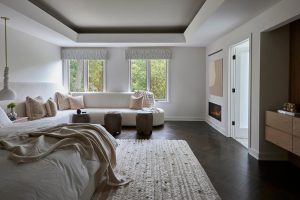 When designing a home, many people focus on color and furniture choices but overlook one of the most essential elements—texture. Incorporating texture in home interior design adds depth, interest, and warmth to any space. By thoughtfully layering different materials, you can create a dynamic and inviting environment that enhances both visual appeal and comfort.
How Texture Enhances Interior Design
Texture plays a key role in how a space feels. A mix of soft, rough, smooth, and coarse surfaces helps prevent a room from feeling flat or monotonous. For example, pairing a plush velvet sofa with a reclaimed wood coffee table balances luxury with rustic charm. The contrast between materials creates a visually appealing and cozy atmosphere.
Ways to Incorporate Texture in Home Interior Design
1. Layered Fabric Textures
Mixing fabrics such as linen, wool, and leather adds depth to a room. Throw pillows, area rugs, and curtains in varied materials create a layered, inviting look.
2. Adding Natural Elements in Your Interior Design
Wood, stone, and plants bring organic texture to a space. Exposed brick walls, wooden beams, and woven baskets add character and warmth to any room.
3. Using Wall Treatments
Instead of plain painted walls, consider textured wallpaper, shiplap, or plaster finishes to create visual interest. Even a subtle change in wall texture can make a big impact.
4. Incorporating Metal and Glass
Metallic accents such as brass light fixtures, iron shelving, and mirrored surfaces contrast beautifully with softer elements, adding sophistication and dimension.
By embracing texture in your home interior design, you can transform a space from ordinary to extraordinary. Thoughtful combinations of materials create depth, making your home feel more inviting and stylish.
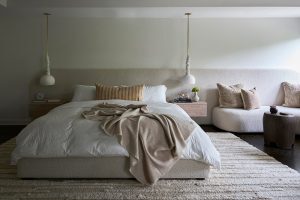 When we people see thoughtfully and carefully curated interior design, they may not be able to immediately put their finger on what exactly makes the space feel elevated – but they know that it is special. This subtle yet powerful effect can be achieved by incorporating various textures in interior design to uniquely enhance a space. In interior design, texture refers to the surface quality of materials, influencing both the look and feel of a space. Incorporating various textures adds depth, interest, and balance, transforming a flat room into a dynamic environment.
Understanding the Use of Textures in Interior Design
- Visual Texture: The perceived surface quality, which can be smooth, rough, soft, or glossy, affecting how light interacts with objects.
- Tactile Texture: The actual feel of a surface when touched, contributing to the sensory experience of a room.
Benefits of Using Texture
- Adds Depth and Dimension: Combining different textures prevents a room from appearing flat or monotonous.
- Creates Visual Interest: Textural contrasts draw the eye, highlighting focal points within a space.
- Enhances Comfort: Soft textures like plush rugs or cushions contribute to a cozy and inviting atmosphere.
Tips for Incorporating Textures in Your Home
- Mix Materials: Combine wood, metal, glass, and fabrics to create a balanced and engaging aesthetic.
- Layer Textiles: Use rugs, throws, and cushions with varying weaves and finishes to add warmth and complexity.
- Consider Architectural Elements: Incorporate textured wall coverings, exposed brick, or decorative moldings to introduce depth.
By thoughtfully integrating textures in your interior design, you can elevate your interior design, creating spaces that are not only visually appealing but also rich in sensory experiences. Contact Ablaze Design Group to learn how you can integrate textures to enhance the interior design and overall aesthetic experience of your home.
Read What Our
Clients Say About Us

As a real estate professional, I’ve witnessed countless renovations, and when it came time for our own remodel, I knew I wanted to work with a design-to-build firm. While the main focus was a kitchen renovation, it was important to us that someone look at our entire first floor and how we wanted to live in the redesigned space. For efficiency, ease, and accountability, we also wanted one company to oversee the entire project.

The Ablaze Design Group revamped our kitchen and did an amazing job. It is now, finally, our dream kitchen. They took time and care with every step of the process. There were no gaps in days – they came everyday until the job was done. We couldn’t be happier with the outcome or the people who work at ABL!

I love working with Ablaze Design Group! They are very responsive and they are very friendly. I have worked with contractor that was very arrogant, but ABL was very down to earth and was eager to help me get my work done. And I worked with Dina, she very helpful. I am very happy working with ABL.

As a design professional, I know that I can always count on The Ablaze Design Group to provide exceptional customer service, and the highest level quality of work. I give them my highest professional recommendation.

Outstanding work once again. We are in the process of a lot of painting and ABL could not be more helpful and very competitive with their prices. The workers are great, talented and friendly. We have used ABL for 10+ years and no complaints.

Looking for a professional painter look no further. Howard and his team of Jose, Juan and David repainted our kitchen to perfection. From start to finish no issues. Set up – painting and clean up was perfect. Have future projects that we will reach out to ABL for assistance.
The Ablaze Design Group fixed the walls and ceiling in my bedroom, put on new baseboard, painted everything, installed a ceiling fan, fixed the walls in the stairwell and painted it and the hall ceiling. The work was great, the price was fair, they were courteous, accommodating, and they didn’t leave a mess. We are very pleased.

Howard and his team are the best! We needed to update our entry area and dining room, and convert an old iron staircase railing into a modern wooden one. The whole team was easy to work with, started and finished exactly when they said they would, and the result is just beautiful. We are completely satisfied and will hire them again. Many thanks!
From the first visit by the owner through insurance quotes and design iterations to the many phases of our fully gutted kitchen rehab, the experience could not have been better. We love LOVE our new kitchen. The memory of the experience with ABL is a very good one. WOW
Any questions or suggestions?
Write us a message and we will contact you!
Contact Info
-

259 Waukegan Ave
Highwood IL 60040 -

Office Hours:
Mon- Friday: 8am - 5pm
Store Hours:
Mon - Wed: 10am - 5pm
Thursday: 10am - 7pm
Friday: 10am - 5pm
Saturday: 11am- 4pm -

info@ablazedesigngroup.com
-

(847) 579-1600